
Follow these simple cooking methods and techniques to add a lot of flavor and technical finesse that will make your soups, stews and braises better.
This guide is made by a home cook for home cooks. There's nothing crazy or finicky here. These are all small things you can do which add up to take a dish from ordinary to sublime. In other words, good cooking habits.
These techniques also apply beyond soups and stews-they're general principles for making food taste really good.
Table of contents
Start with Aromatics
The backbone of a good soup, stew or braise is the aromatics used. Aromatics are the ingredients added at the start that add concentrated flavor.
Almost always this means alliums like onions, shallots, garlic, leeks etc.
Onion and garlic are nearly universal across cultures. They are often combined in familiar pairings that repeat across cuisines.
- Onion with carrot and celery forms a classic base for many European soups and stews.
- Onion, garlic, and fennel is a classic Mediterranean aromatic base.
- Garlic paired with ginger and chili is common in many Asian preparations.
Use a Flavorful Base Liquid
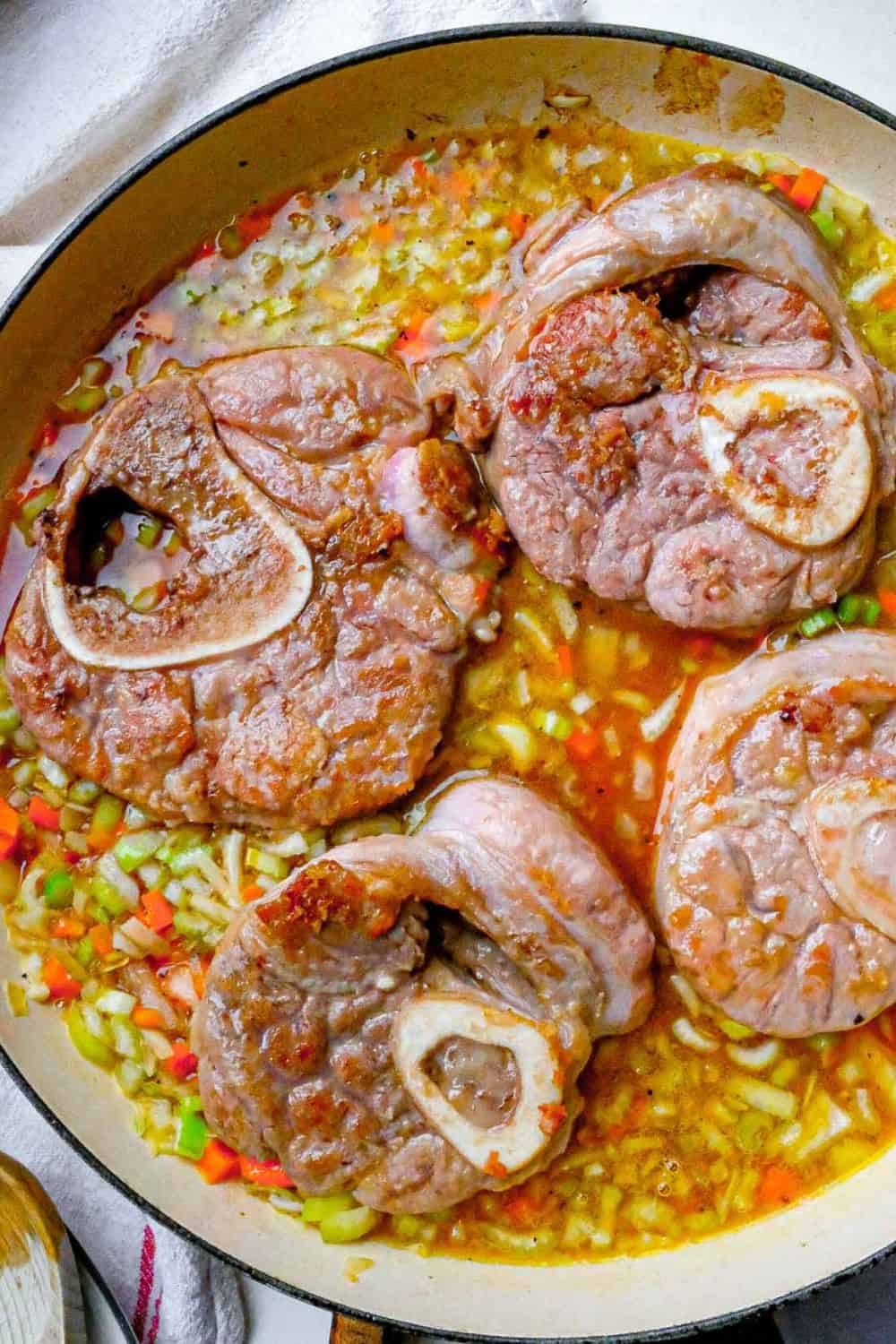
The foundation of a flavorful soup, stew, or braise is a flavorful base liquid. If you don't do anything but this, you will already have a great tasting dish.
You can do this in one of three ways:
- Use stock or broth (store-bought or homemade);
- Add a concentrated flavor base (bouillon cubes, tomato paste, instant dashi, miso);
- Build flavor directly in the pot with bones or a robust vegetable base;
- Use wine or beer (more common in braises but also added to soups and stews).
Taste: Don't Over or Under Season
In this case over- and under-seasoning mostly refers to salt. A soup or stew lacking salt will taste bland or flat. Too much salt is unpalatable.
To avoid under-salting, add some salt at the start so it has a chance to dissolve and absorb into the ingredients. Taste near the end and then add more salt as necessary. Only add a tiny bit at a time (that's how you avoid over-salting).
It takes very little to make a soup taste too salty. Just ½ teaspoon in a typical pot of soup can make the difference between balanced and over-salted. Then you may need to fix a salty soup.
Add Dry Heat for More Complexity
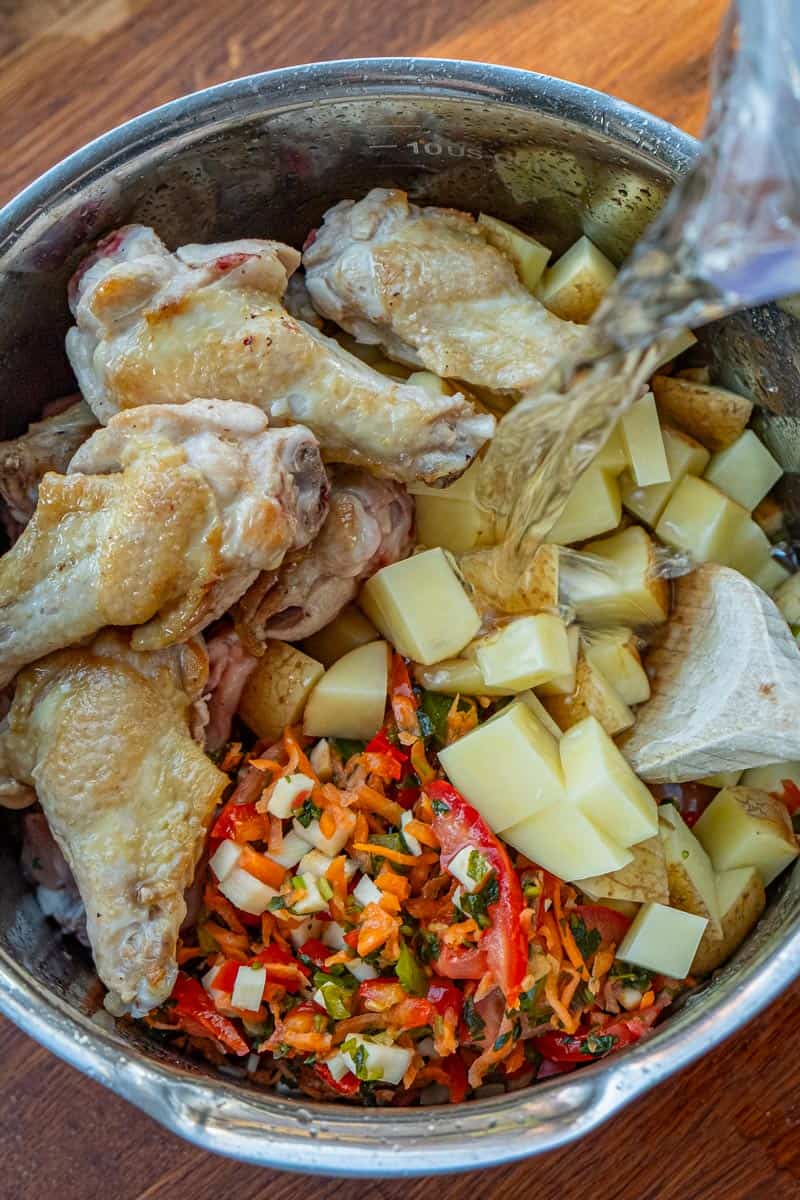
Soups and stews are mainly cooked with wet heat (i.e. boiling) but adding some dry heat in any form (roasting, browning, searing etc.) makes the soup or stew more flavorful because browning doesn't just add color, it creates new flavor compounds.
Easy ways to add dry heat are to:
- brown onion and garlic
- brown chicken or meat
- char ginger and scallion
- use roast soup bones to make stock.
You can also cook vegetables with dry heat to concentrate flavor - mushrooms are especially good for this.
Balance the Fat
A well-executed soup, stew or braise is one where you do not notice the fat. The fat is there, and with good reason (flavor) but it should be integrated into the liquid-not sitting on top in a thick, oily slick.
Ways to fix oiliness include skimming, diluting, thickening, emulsifying or balancing but the best method depends on the preparation (soup, stew or braise).
Add Layers of Flavor
Layering in flavor means layering in the same or similar ingredients at different times during the cooking process, and also layering in different types of the same ingredient.
- Garlic sautéed in oil at the start gives sweet earthiness while raw garlic added near the end sharpens the garlic flavor;
- Mushrooms can be layered by browning some for depth and adding others directly to the soup for a softer, juicier texture.
- Acidity can also be layered: wine or vinegar cooked early mellows and integrates, but a squeeze of lemon at the end adds brightness
- Use the same ingredient cooked in different ways, as shown below creamy broccoli soup with the sweet stems making up the base and roast florets as garnish.

Use Fresh and Dry Herbs and Spices
Nothing elevates a soup, stew or braise like fresh herbs.
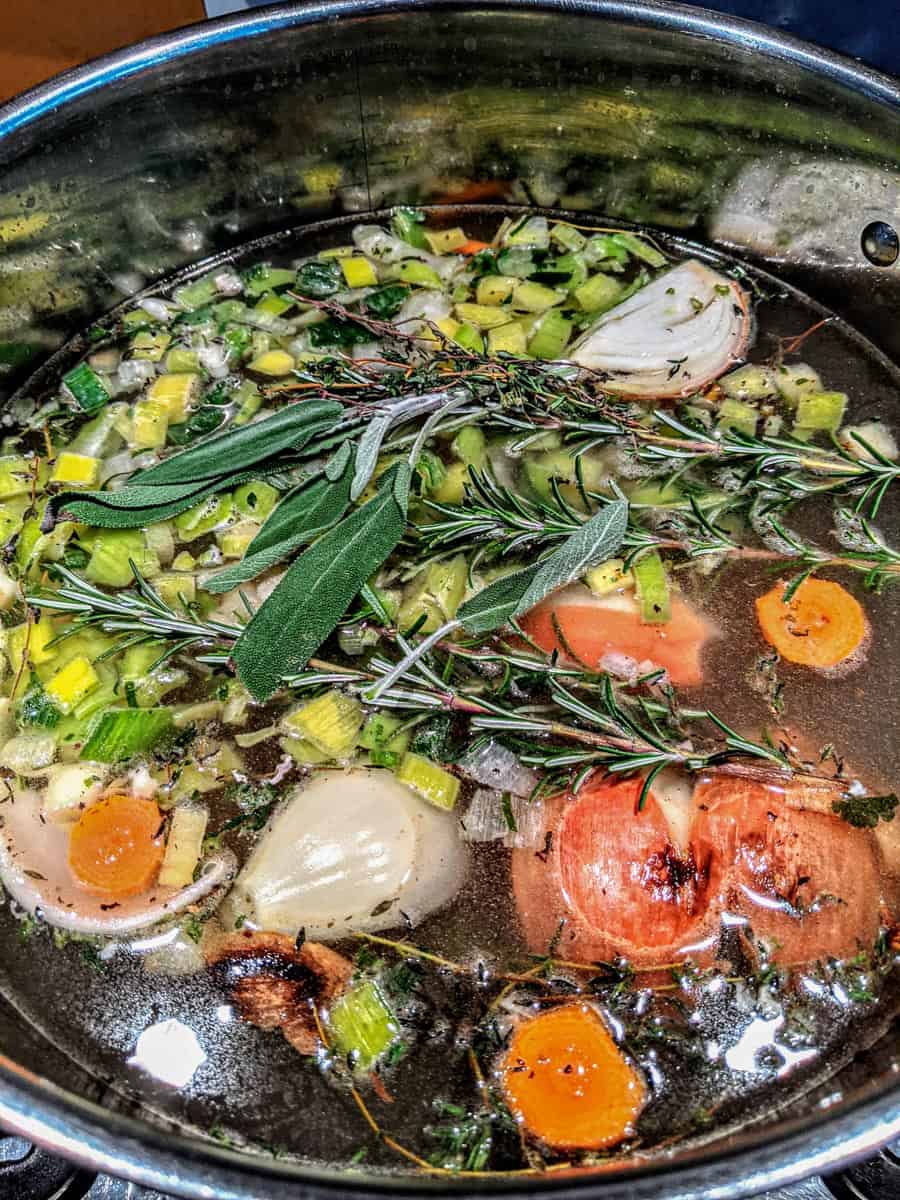
- Woody herbs like thyme, bay leaf, rosemary, and oregano benefit from longer cooking in a stew or braise.
- More delicate herbs like parsley, dill, cilantro, and basil are best added near the end or used as a garnish.
- Highly aromatic, delicate herbs like basil and dill can be layered in at the start and as a garnish for the best of both worlds.
Dry herbs and spices add grounding and depth. Dried oregano, rosemary, sage, and thyme (used individually or in combination) reinforce savory notes and hold up well to long cooking. Ground spices like paprika, cumin, coriander, or chili powder benefit from being briefly bloomed in oil to deepen flavor.
Garnish
Soups, stews and braises are all made better when garnished. Garnishes don't get enough credit for how impactful they can be.
Because they sit on top, it's often the first thing to hit the palate, so they reinforces flavor perception. They also add visual appeal.
Some ideas for garnishes are:
- Fresh herbs
- Thinly sliced green onions
- Croutons
- Toasted nuts or seeds
- Roasted seaweed
- Olive, chili or sesame oil
- A swirl of cream can add contrast and brightness.