
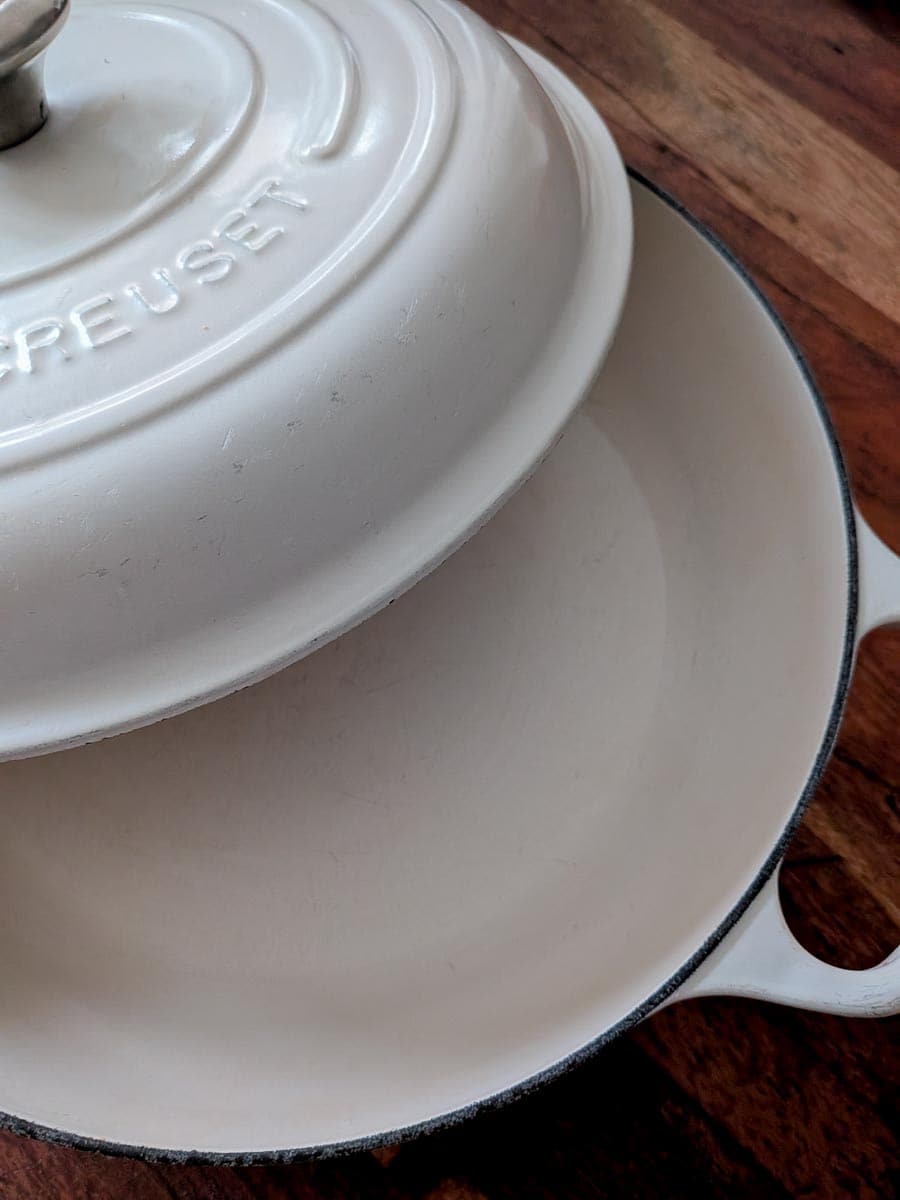
Braising is a cooking method characterized by low and slow cooking in a covered pot with minimal liquid.
But the real magic of braising is the specific balance of wet and dry cooking that it achieves, which are moist and tender from low and slow cooking in liquid, but they are also wildly flavorful because dry heat also circulates.
A good braising pan or braiser has certain characteristics support this specific wet-dry heat balance that makes for a well-executed braise. This article outlines what those characteristics are and how you can replicate them if you don't have or want a braiser.
Origin of the Braiser
The concept of braising originated in 18th century France. It required (and arguably was synomymous with) a specific type of braising pan (a braisière) which had a tight fitting lid so it could be put on top of hot coals and then have hot coals also placed on the lid.
An online search for braisière antique only turned up antique brass braziers, so it's hard to say what these early pans looked like.
Given the use of hot coals, we can be sure that the original intent of the cooking method was low and slow cooking.
The Modern Braising Pan
Modern braisers (made by French companies like Staub and Le Creuset) are made to support the original intent of low and slow cooking but have also evolved with certain key characteristics that are suited to braising:
- A braiser has a larger surface area than a pot or Dutch oven. This is so hot dry air can circulate around the top of the ingredients and contribute to flavor development through browning;
- A braiser is wide but is still deep enough to accommodate a large cut of meat and some liquid.
- A braisier is usually made from cast iron, which conducts heat very well and (in my opinion) leads to 'sharper edges' - more nuanced and controlled browning, better fat rendering, and more caramelization.
- A braisier has a tighly fitting lid that can be used to moderate temperature and browning while cooking.
- Usually a braiser has sloped sides like a sauté pan or skillet. This allows steam to escape when the lid is off, and when the lid is on the condensation runs back down the sides rather than dripping directly onto the surface of the food.
All of these qualities together support the specific coordination between wet and dry heat that characterizes a good braise. Moisture from the bottom, and dry roast from the top - combining in perfect balance in the middle.
I use a Le Creuset 3.5 quart / 3.5 liter braiser that I've had for almost 10 years now and find absolutely indispensable in my kitchen.

Braising Pan Alternatives
If you don't have a braising pan, you can also improvise.
I've made braises in other pans, including a cast iron dutch oven, a cast iron Staub roasting pan (with aluminum foil as a lid) and a deep oval ceramic roasting pan.
The key characteristics that make a braiser ideal for braising are not unique to this type of pan. Ideally go for cast iron or heavy (heat retaining) first and then improvise a lid.
Probably you can replicate the effects using other equipment in your kitchen. For example you can use a metal or cast iron skillet or roasting pan with aluminum foil as a lid.
If you want to improvise look for the following (in order of priority):
- Material that has good heat retention like cast iron (best) or otherwise ceramic / earthenware. Stainless steel and aluminum (even enameled) have poor heat retention;
- A pot that's wider than it is deep helps with air circulation and promotes dry heat cooking;
- A pot that's deep enough to add liquid to one-third or halfway up the meat;
- A pot with a tight fitting lid - alternatively use tightly fitting aluminum foil (in layers if necessary to make a tight seal).
That being said, I would (and do) always choose to use a true braiser because it produces such good and reliable results.
If you like braising as a cooking method and intend to do it a lot, you will get way better and more reliable results with a true braising pan.
You don't need to spend a lot for a braiser. Where I live in the Netherlands I've seen similarly built versions for as little as €50-60 but I see in the US market even Lodge makes a braising pan for only around $80 USD. And sometimes you can get lucky at thrift stores.
Word to the wise - bare cast iron on the cooking surface is recommended (see why below).
Other Uses for a Braiser
I use my braiser for everything from stovetop soups to cabbage rolls, one pot pasta dishes and slow cooked stews. The wide surface area with sloped edges and moderate depth makes it very handy for different types of saucy and semi-saucy preparations.
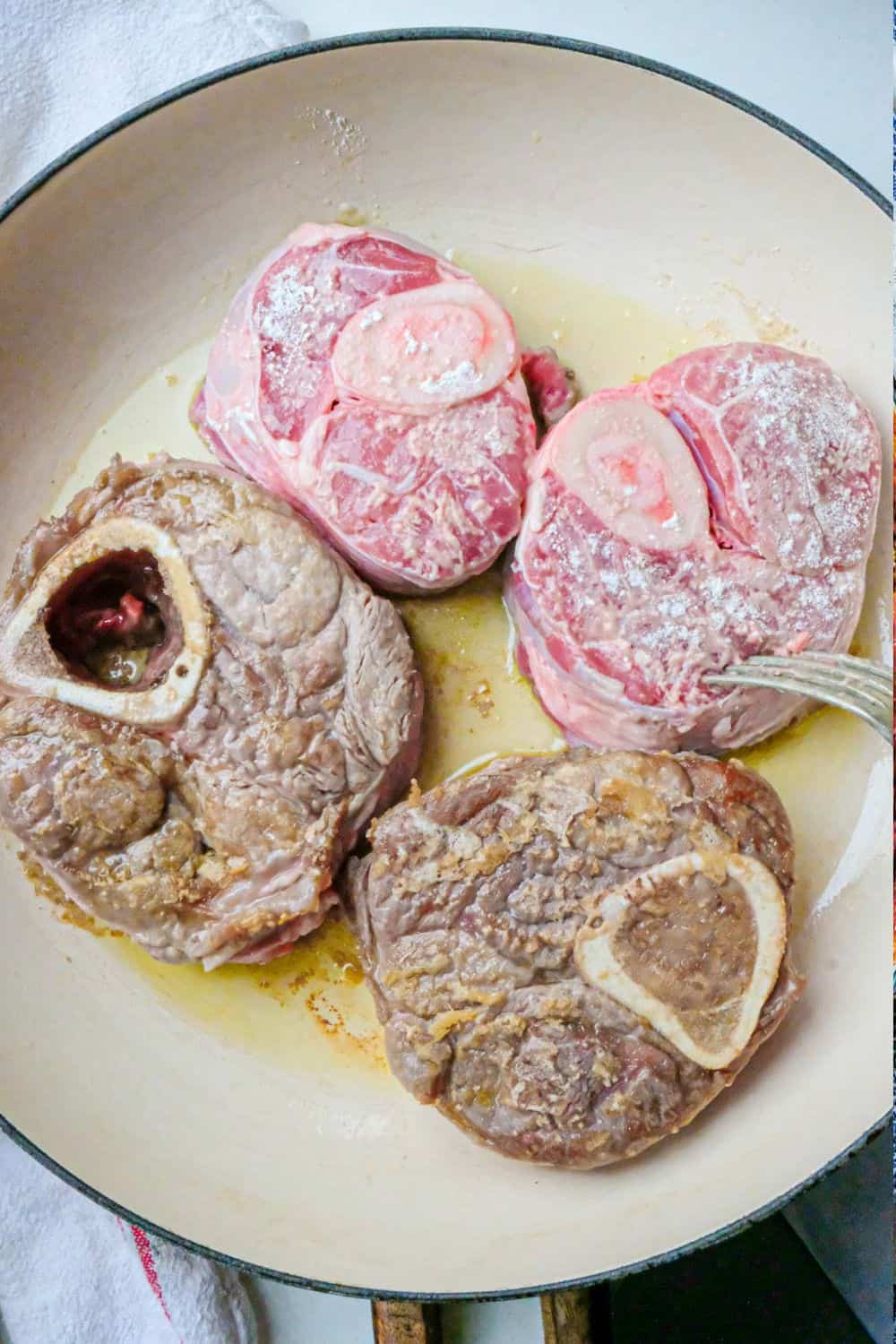
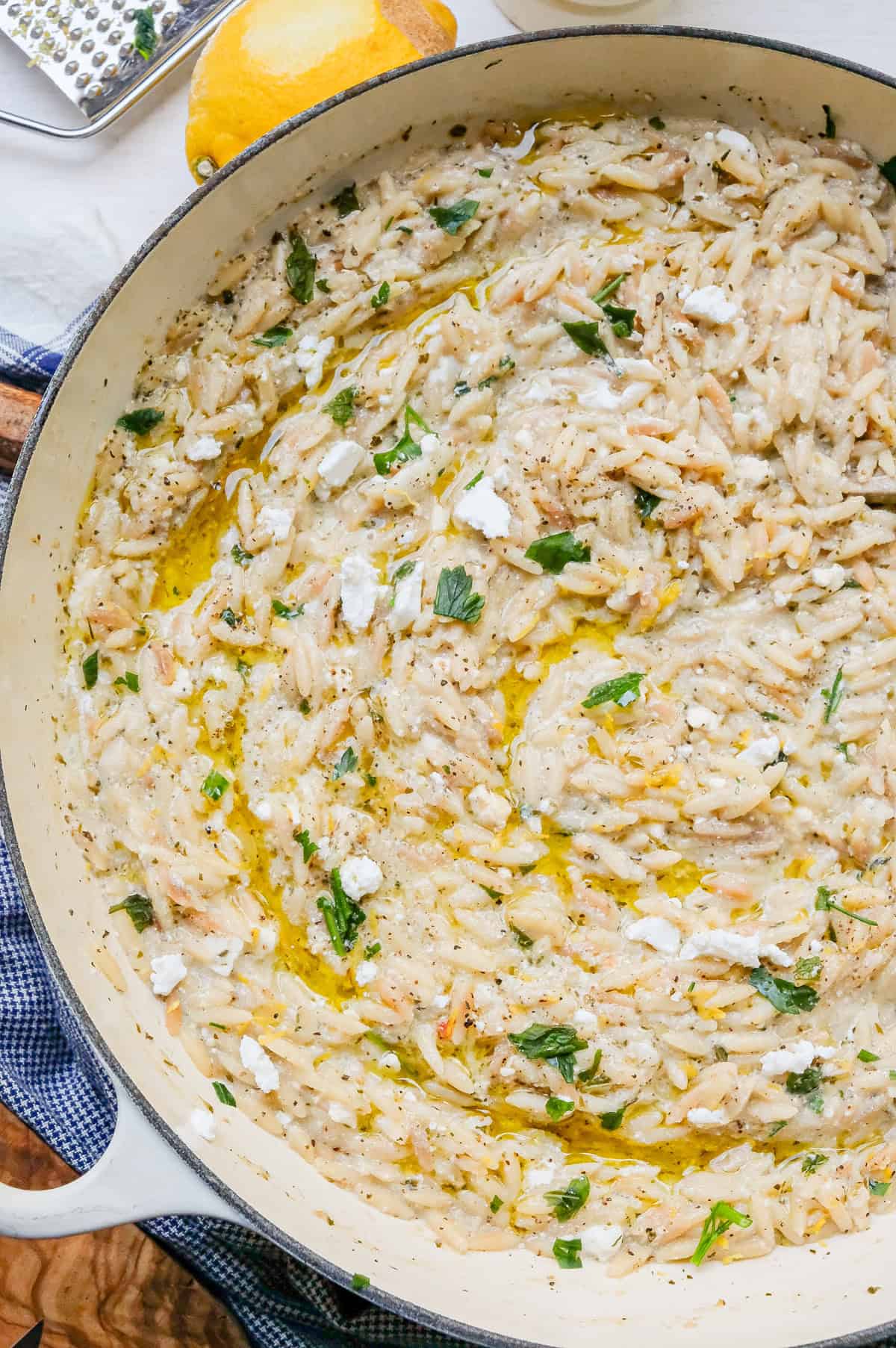

A braiser is especially good for preparations that you start on the stove and finish in the oven.
Anytime a recipe involves browning and then simmering I always finish it in the oven instead because it's so much easier and more hands-off.
The braiser is great for that purpose. I brown meat and aromatics, then add liquid and pop it in the oven. The lid lets me control the temperature and I always get great results.
The only thing I don't really do with it is fry. I can get away with a little bit of browning but in general things stick. This is more an issue with enameled cast iron than cast iron in general.
I love the look of enameled cast iron, but the enameling process used to make it colorful also makes it really stick.
Enameled cast iron is made of non-porous fused glass. This means it can't be seasoned like bare cast iron, which is porous and causes oil to polymerize and bond to the surface, making for a non-stick finish.
Related
If you liked this post on cooking foundations you may also like:
Comments
No Comments