
Mămăligă is a staple of Romanian cuisine. Made from cornmeal, water and salt - it's used as both bread and porridge, accompanying a wide variety of dishes like stews, roasts, fried eggs, and even just cheese.
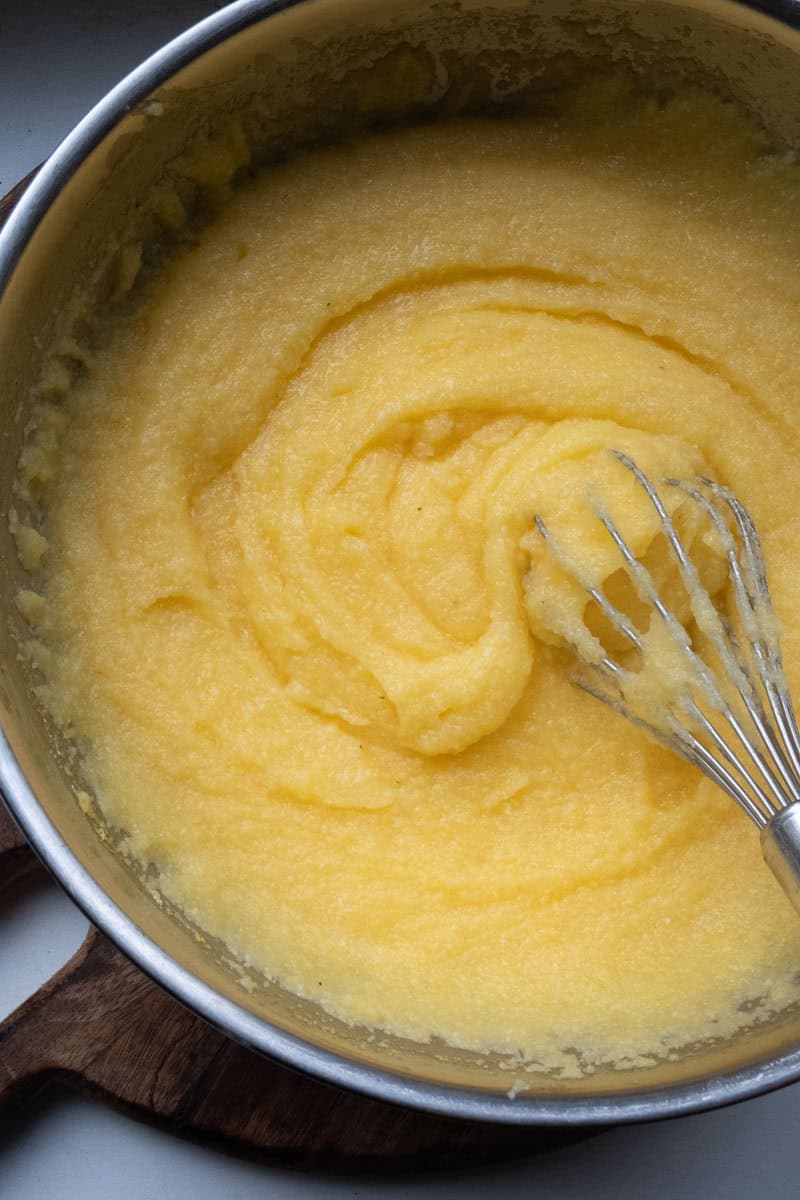
Closely related to Italian polenta, mămăligă is not just a side dish in Romanian cuisine; it's a staple that's been a stalwart constant for the country even during lean years.
Few dishes resonate so clearly and indelibly in the culinary memory of Romanians as mămăligă. For many it's synonymous with warm traditions, while others see it as a representation of scarcity: a relic of harm times better left to fatten the Christmas hog than for human consumption.
However you feel about it, if you're Romanian no doubt you've eaten it and I'm sure you're here to eat some more so here we go.
Ingredients
Water: Plain water.
Medium grind yellow cornmeal (mălai): Medium grind yellow cornmeal hydrates quickly and allows mămăligă to cook and set in minutes. Don't use instant cornmeal or cornmeal that's very fine or very coarse.
Salt: Added to the boiling water for even seasoning.
Optional extras: Mămăligă is sometimes made with the addition of butter.
Instructions
This post promised the traditional method for mămăligă which basically means, as is often the case with traditional recipes, that there's some eyeballing involved. If you ask a Romanian how they make mămăligă, there will probably never be exact quantities but rather indicators of how much and when it's enough.
I've tried to quantify this traditional preparation method insofar as is possible by pinning down a basic method and some ratios.
Traditional Mămăligă Method
The general rule for making mămăligă the traditional way is that the quantity of water determines how much you make.
You take out a pot and fill it with some amount of water, knowing that the water will represent about 60% of the final volume of mămăligă that you'll make.
Then you salt the water, bring it to a simmer and add cornmeal slowly while whisking vigorously (careful, it bubbles and pops).
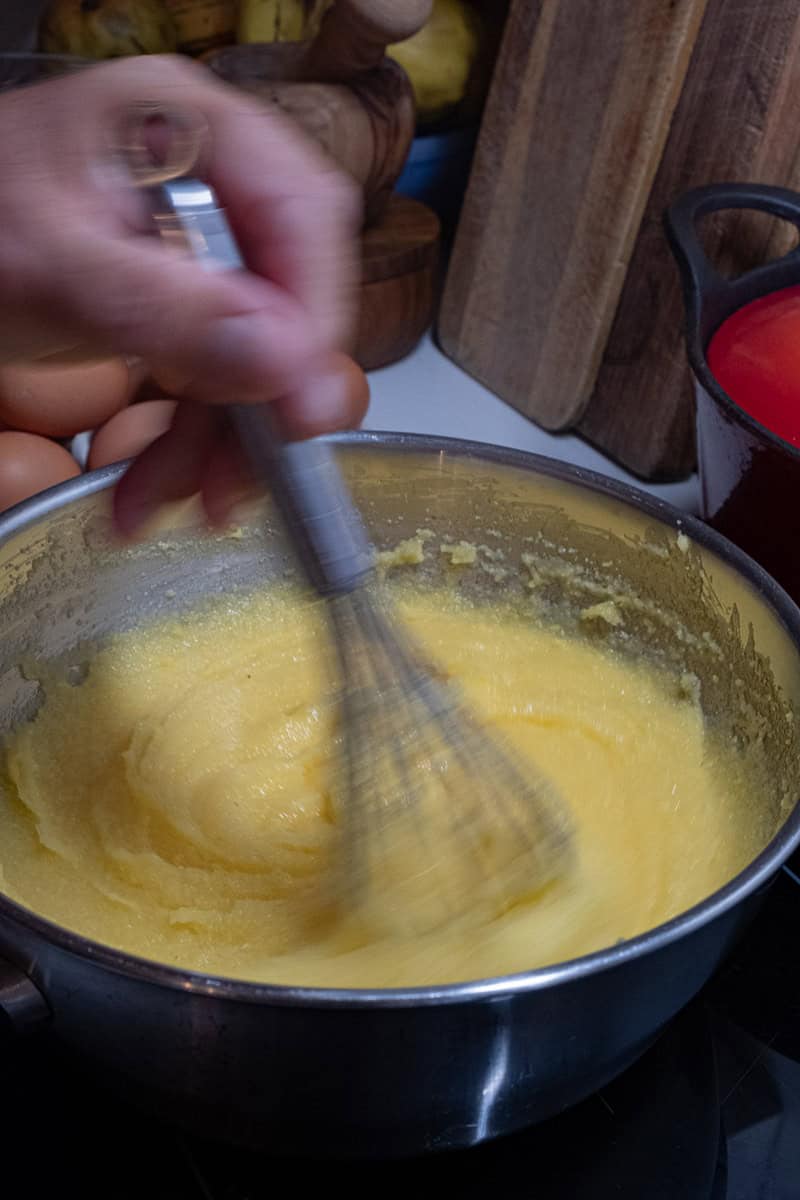
Once you feel through the whisk that the cornmeal has started to thicken, then you stop adding. It only takes about 5 minutes. It really do be like that...feeling. But don't worry I also measured to take some of the guessing out of it.
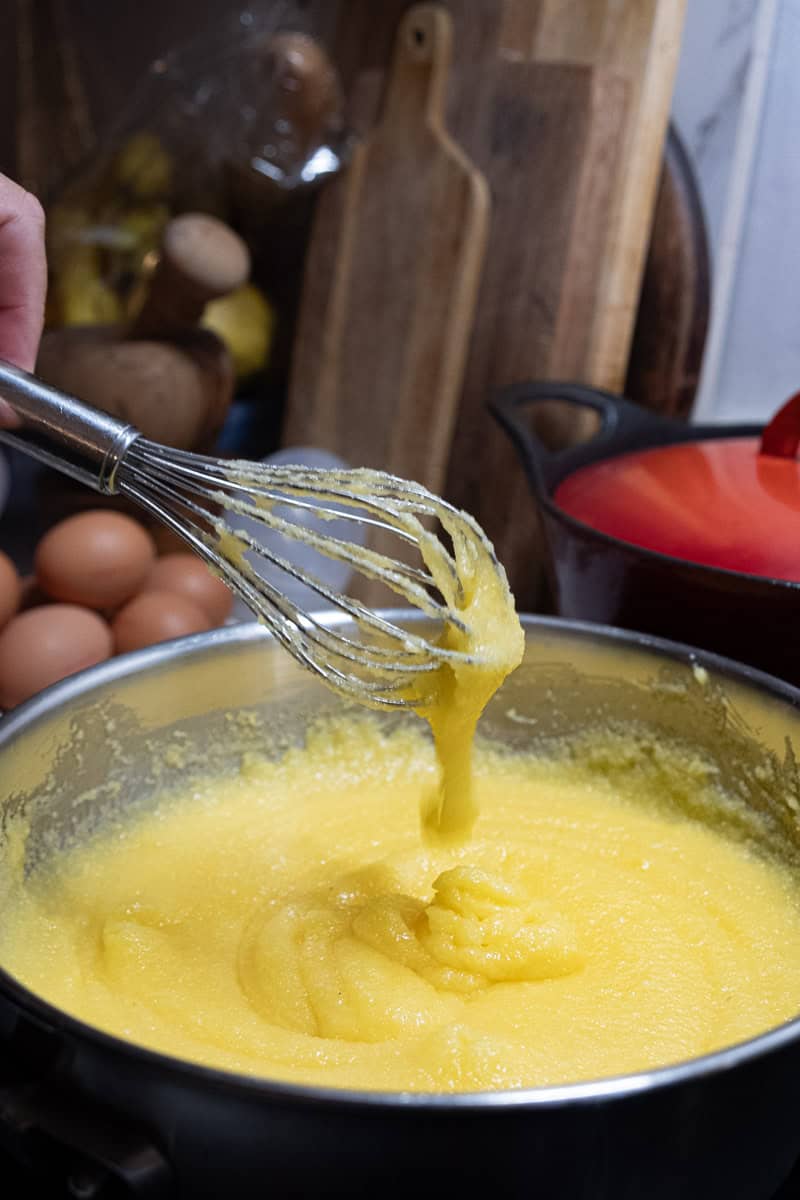
So for example if you fill the pot with 1 liter / 4 cups of water, you know you'll end up with about 1.5 liters or 6 cups of mămăligă.
Mămăligă is ready when it's fully thickened and hydrated. It should stick to and coat the whisk.
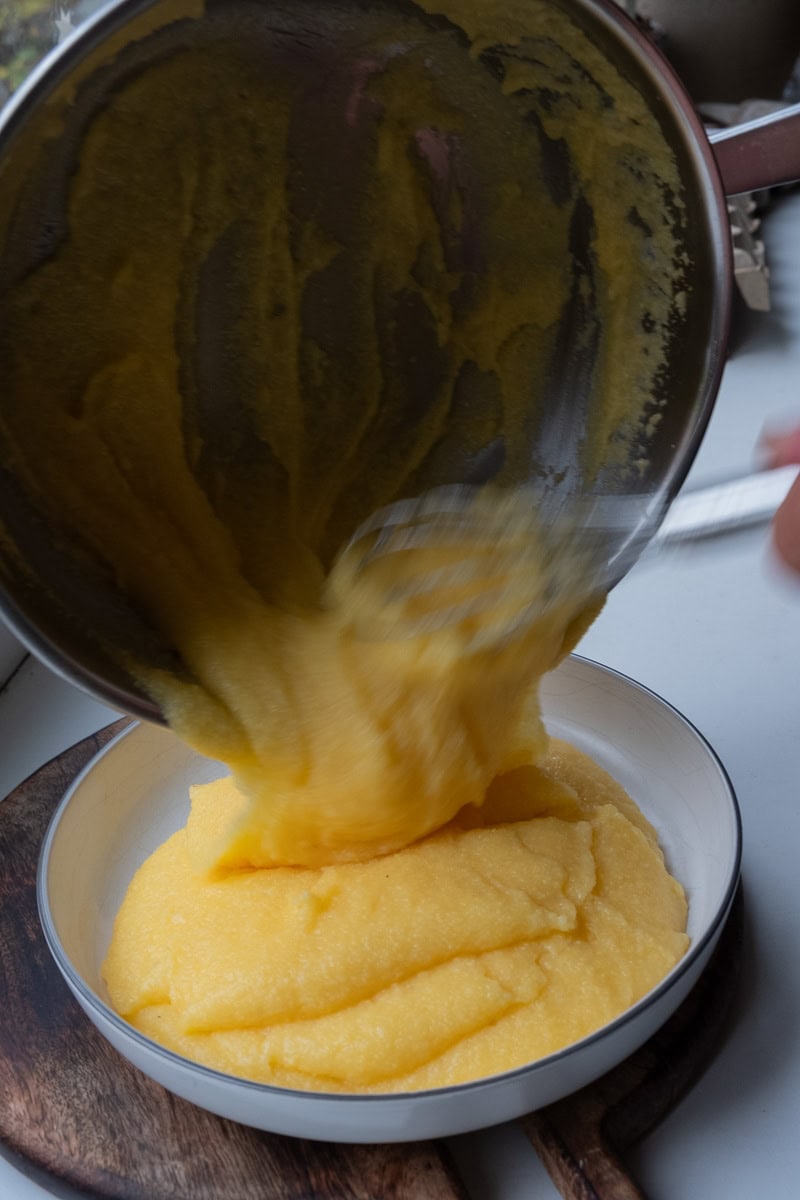
When ready, immediately (so it doesn't set in the pot) turn the mămăligă out onto a large plate.
Alternatively (for traditional pizzaz) let it set just 1-2 minutes and then turn it out into a dome shape on the plate by covering the pot with the plate and flipping it upside down. This is the preferred method for cuttable mămăligă.
How much cornmeal goes into mămăligă?
The amount of cornmeal that goes into it depends on how thick you want the mămăligă to be. Mămăligă can be made either a thick porridge or a firm loaf that's traditionally cut with a dedicated mămăligă cutting string.
Through some measurements I've determined that for spoonable mămăligă, you'll need about 250 grams of medium cornmeal (about 1 cup) and about 1 liter (4 cups) water to make 6 cups of mămăligă. Don't ask me where the additional cup of volume comes from....air particles, gelatinization and physics apparently.
For firm cuttable mămăligă you'll need to add more cornmeal, as shown in the table below.
| Texture | Water | Cornmeal (mălai) | Salt |
|---|---|---|---|
| Spoonable mămăligă | 1 liter / 4¼ cups | 250 g / 1¼ cups | 1½ tsp |
| Firm, sliceable mămăligă | 1 liter / 4¼ cups | 300–325 g / 1½–1⅔ cups | 1½–2 tsp |
Serving Suggestion
Mămăligă is served hot as a base for dishes like meats, stews or stuffed vegetables, for example:
- Romanian Creamy Mushroom Stew (Ciulama de Ciuperci)
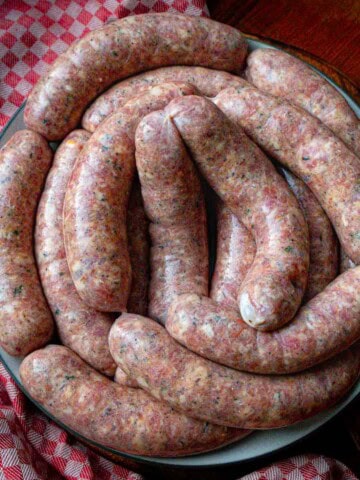
- Homemade Romanian Sausages (Cârnați de Casă)
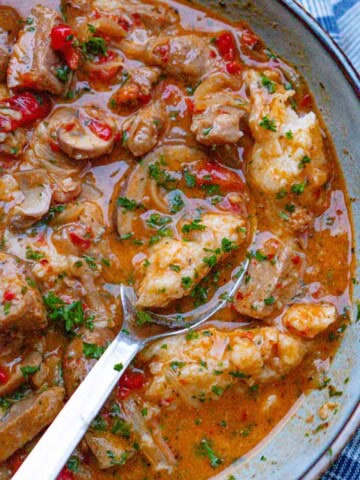
- Romanian Style Pork Paprikash with Dumplings (Papricaș de Porc cu Găluște)
- Sarmale: Traditional Romanian Cabbage Rolls
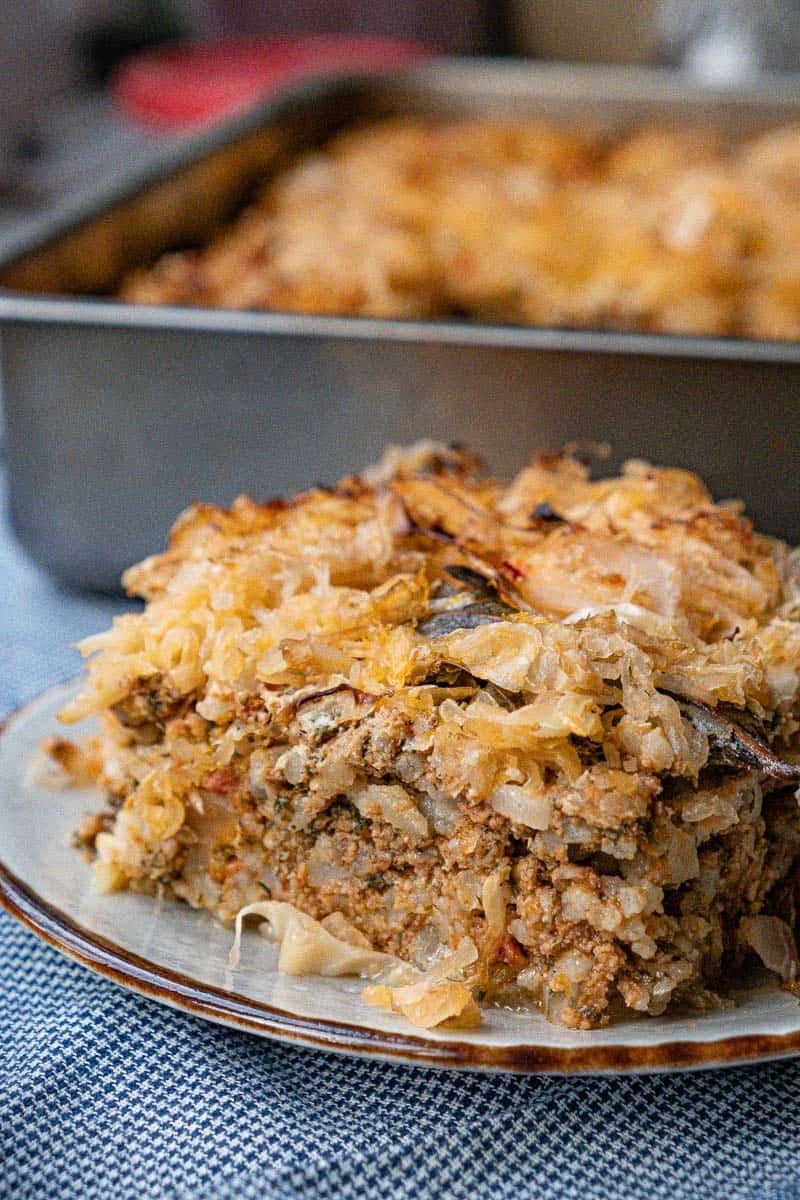
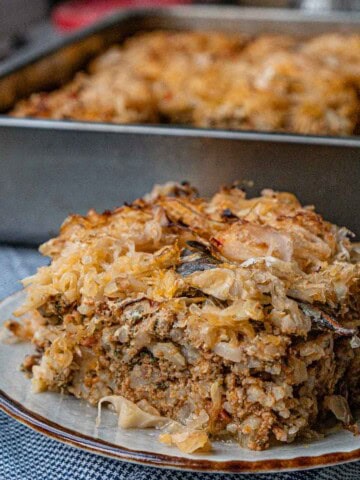
- Romanian Sauerkraut Casserole (Varză à la Cluj)
- Romanian Slow Roasted Caramelized Cabbage (Varză Călită)

It can also be used as a base for quick meals in the form of "mămăligă bowls". Cover the bottom of a plate and then add briny pungent cheese (telemea, brânză de burduf), sour cream, fried eggs, and chicken liver. Mix and match to your liking.

Related Recipes
If you liked this Romanian recipe, you may also like:
Recipe

Mămăligă Recipe (Traditional Method Romanian Cornmeal Polenta)
Ingredients
- 1 liter water 4 cups
- 250 grams medium grind cornmeal 1-1¼ cups
- 1.5 teaspoons salt
Equipment
- large pot
- whisk
Instructions
- Measure the water first: Add the water to a medium pot. The amount of water determines how much mămăligă you'll make; it represents roughly 60% of the final volume.
- Salt and heat: Add the salt and bring the water to a gentle simmer.
- Add the cornmeal gradually: While whisking vigorously, sprinkle in the cornmeal slowly. Be careful-it will bubble and pop.
- Cook by feel: As you whisk, you'll feel the mixture thicken. It only takes a few minutes (depending on temperature, expect about 5 at most). Stop adding cornmeal once it reaches your desired consistency. The mămăligă is ready when it is fully thickened, hydrated, and sticks to and coats the whisk.
- Turn out immediately: As soon as it's ready, turn the mămăligă out onto a large plate so it doesn't set in the pot.
Notes
- 1 liter / 4 cups water
- 300-325 g / 1½-1⅔ cups medium cornmeal
- 1½-2 teaspoon salt
Comments
No Comments